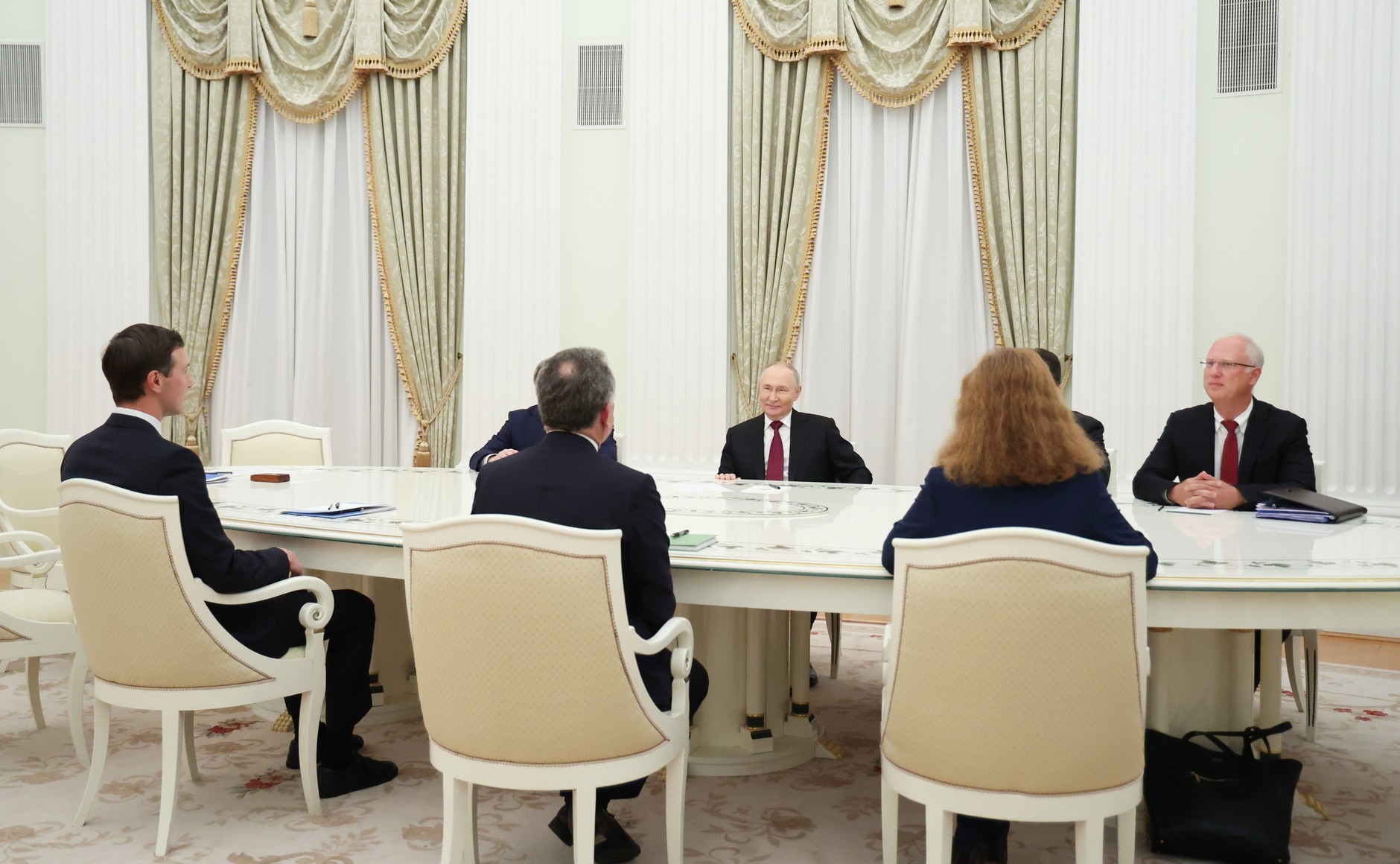
Historic talks between the United States and Iran concluded early Sunday morning, April 12, 2026, without any agreement being reached. After 21 hours of direct negotiations in Islamabad, Pakistan, U.S. Vice President JD Vance announced the collapse of the discussions, stating that the Iranian delegation had refused to accept American conditions, particularly the commitment not to develop nuclear weapons. “The Iranians were unwilling to accept our terms. President Trump and I had been clear about what we were asking for,” he said at a press conference, accompanied by Jared Kushner and Special Envoy Steve Witkoff, according to the Associated Press.
Two Sides, Two Narratives
The interpretation of the failure diverges radically between Washington and Tehran. According to Middle East Eye, Iran claims that "progress" might have been possible if the United States had shown "seriousness and good faith," and accuses Washington of imposing unacceptable preconditions, notably the complete dismantling of the nuclear program. For their part, the Americans insist on Iran's refusal of any substantial concessions. Vice President Vance, in constant contact with Donald Trump during the 21 hours of negotiations, described the Iranian position as "intransigent."
Ceasefire on Hold
The central issue goes beyond the negotiating table. The fragile two-week ceasefire, in effect since late March, risks collapsing without a framework agreement. The Washington Post reports that both delegations left Pakistan without a schedule for resuming talks. U.S. European and Arab allies are calling for a swift return to the negotiating table, fearing a resumption of hostilities that could affect the entire Middle East. The United Kingdom, France, and Germany issued a joint statement urging “all parties to maintain the ceasefire and resume dialogue.”
The Strait of Hormuz, Nerve Center of the Crisis
Parallel to the negotiations, the situation on the ground remains explosive. CENTCOM announced Saturday, April 11, the deployment of two Arleigh Burke-class destroyers through the Strait of Hormuz to launch a mine-clearing operation — the first transit of U.S. warships through the strait since the escalation of hostilities. Iran, through the Islamic Revolutionary Guard Corps (IRGC), denied that this transit had taken place, a contradiction that analysts interpret as a sign of extreme tension. Control of the Strait of Hormuz, through which approximately 20% of the world's oil passes, remains the most dangerous point of friction in the conflict.