The escalation in the Strait of Hormuz reached a new level on Monday, April 20, 2026. In the morning, Tehran claimed drone strikes against US Navy vessels in the Arabian Sea, in retaliation for the dramatic seizure of the Iranian cargo ship Touska by US Marines on Sunday. This information, reported by UPI, The National, Bloomberg, Fox News, and the Associated Press, comes just hours before the second round of direct US-Iran negotiations scheduled in Islamabad under Pakistani mediation. The Pakistani capital has been under high security since Sunday, and a helicopter was seen circling the talks area early Monday, according to an AFP photo circulated by The National.
Seizure of the Touska, an Act of Maritime Warfare
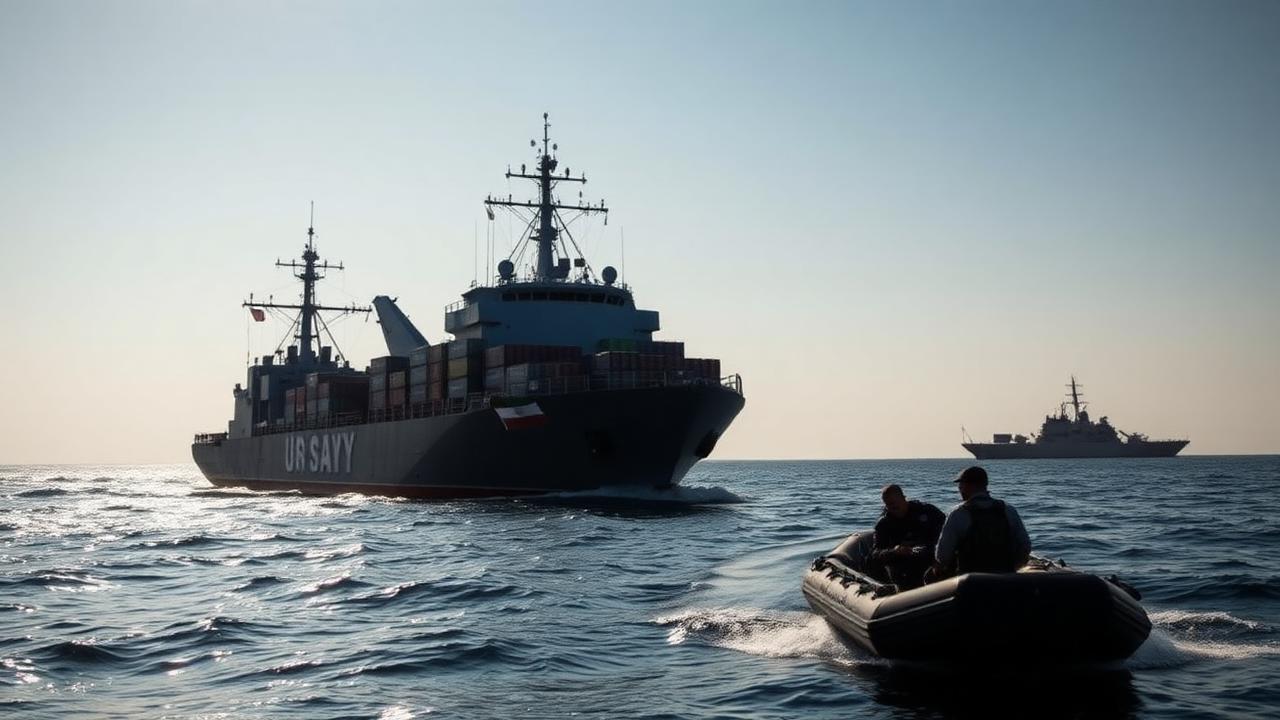
The Iranian cargo ship Touska, 295 meters long and previously known for running aground near Hong Kong in 2017, was intercepted near the Strait of Hormuz on Sunday by a US destroyer. According to NDTV, citing Donald Trump, "our warship stopped them dead in their tracks by making a hole in the engine room." Marines then boarded and seized the vessel. A video broadcast by CENTCOM and relayed by the Irish Times shows the operation to hold the Iranian cargo ship. This marks the first active seizure since the implementation of the US naval blockade on April 14, which Washington described as "fully operational," according to CNBC.
Iranian Drones: Claim, Uncertain Damage
The official Iranian news agency IRNA, cited by UPI, reported that the Revolutionary Guards had conducted "several drone strikes" against US Navy vessels on Monday morning. The Pentagon had not confirmed any damage by midday, stating "attempts were intercepted by onboard anti-aircraft defenses." The Iranian command, Khatam al-Anbiya, also explained why its crew did not retaliate during the boarding of the Touska: an exchange of fire would have exposed the sailors to "unacceptable losses" without changing the outcome, according to Fox News. This delayed claim, on the eve of the talks, appears to be a calibrated political signal to maintain a balance of power.
Hormuz Traffic at a Standstill
Bloomberg, in its Monday morning analysis, speaks of a "complete halt" to civilian traffic in Hormuz. Tankers and container ships are accumulating off the coast of Oman and Fujairah, with the majority having turned back or dropped anchor. Over 90% of Iran's annual maritime trade, valued at $109.7 billion, passes through this waterway, according to CNBC. For global markets, this means over a quarter of the world's oil consumption is no longer passing through. NPR recalled on April 16 that CENTCOM was mobilizing "over 100 aircraft and a dozen warships" to encircle the Iranian fleet, and the AP confirmed on Monday that "sanctioned ships are turning back before even entering the strait."
Islamabad, the Last Diplomatic Lock
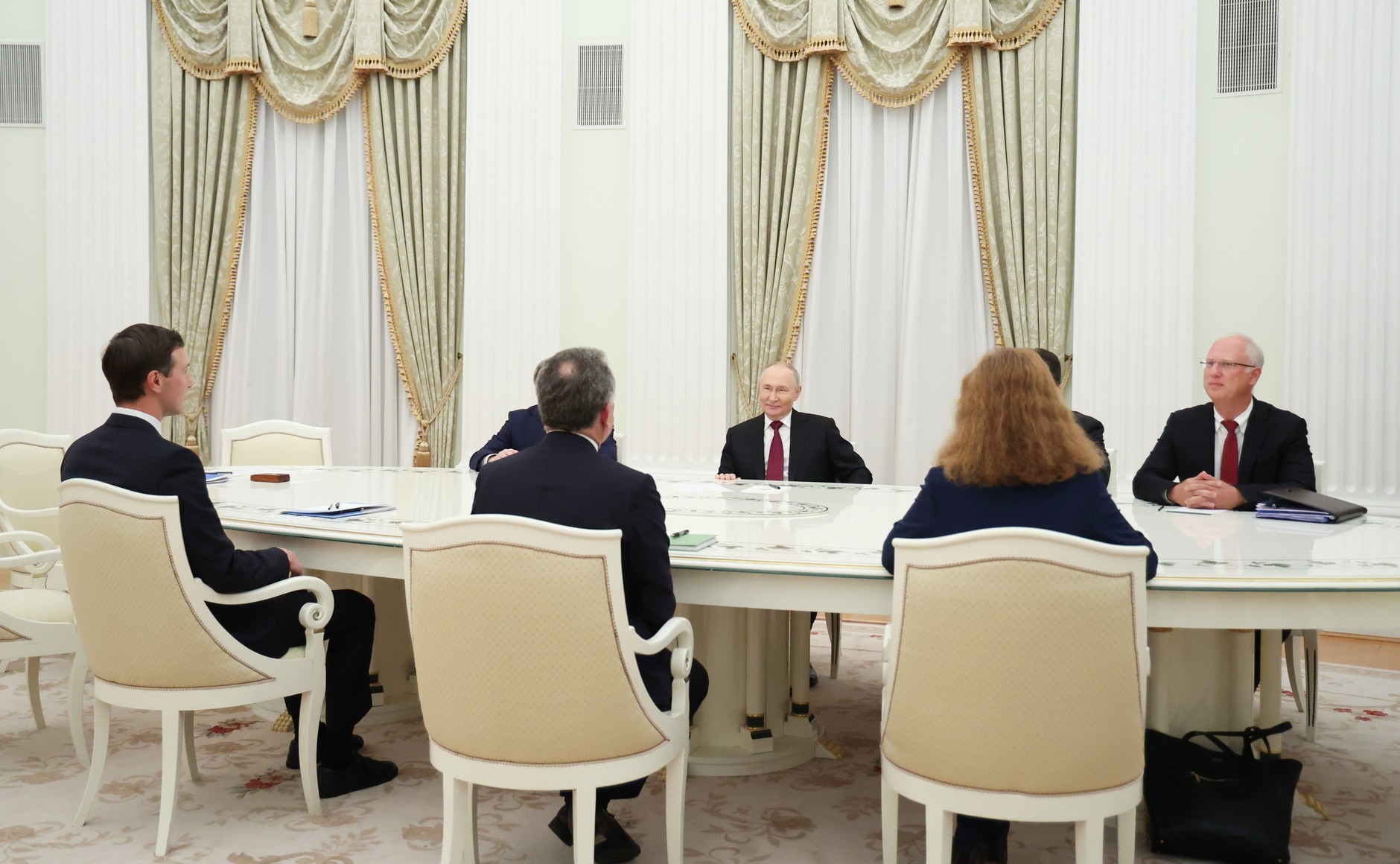
The second round of direct US-Iran negotiations, due to open this week in Islamabad, is now compromised. The National reports that the Iranian delegation, through a cautious statement, has indicated it "stands ready" but awaits "a US de-escalation gesture." On the US side, Secretary of State Marco Rubio confirmed his attendance, while warning that "the blockade will not be eased without concessions on uranium enrichment." Iranian President Masoud Pezeshkian, considered more moderate, expressed "confidence" in the possibility of future meetings, according to the Irish Times. China, through its Ministry of Foreign Affairs, strongly condemned the seizure of the Touska and called on Washington to "cease its acts of piracy."
Editorial Opinion
The sequence of events over the weekend and Monday has crossed a threshold. As long as the US blockade remained deterrent and Iran was content to intermittently close Hormuz, the commercial cold war could be protracted. The seizure of the Touska and the drone response, even if of limited scope, transform the standoff into an active military confrontation on global trade routes. If the Islamabad talks fail, the window is narrow before a resumption of strikes – a scenario Donald Trump has consistently alluded to publicly. Europe, China, and India have direct interests in de-escalation: it is time for them to voice this in unison rather than waiting, as is their habit, for Washington or Tehran to decide for them.
Key Takeaways
- Tehran claims drone strikes against the US Navy on Monday, April 20, 2026.
- The Iranian cargo ship Touska was boarded by Marines on Sunday, following an American shot into the engine room.
- Complete halt of civilian traffic at Hormuz according to Bloomberg; tankers and container ships are anchored off Fujairah and Oman.
- 90% of Iran's maritime trade ($109.7 billion/year) transits through Hormuz.
- Second round of US-Iran talks in Islamabad this week, compromised but maintained; China condemns the seizure.