
On March 31, 2026, Samsung activated its blood pressure measurement feature via the Samsung Health Monitor app for US users equipped with a Galaxy Watch4 or newer—a first for the US market, after years of limited availability in South Korea. Apple has not yet offered an equivalent feature on the Apple Watch.
The Apple Watch remains the global leader in smartwatches. Its atrial fibrillation detection feature, approved by the FDA, has been documented as alerting users to undiagnosed heart conditions. Blood oxygen (SpO2) measurement, integrated ECG, and sleep tracking have become market standards.
Samsung Galaxy Watch 8 (and Ultra) offer Body Composition Analysis (bioimpedance analysis), skin temperature tracking, and menstrual cycle tracking. Samsung emphasizes integration with its Galaxy ecosystem and the opening of its Wear OS platform to third-party health apps.
The non-invasive blood glucose sensor remains the "Holy Grail" of wearable healthtech. In 2026, no manufacturer has yet commercialized a truly non-invasive and reliable sensor certified by health authorities. Technical challenges (accuracy of optical measurement through the skin) remain considerable.
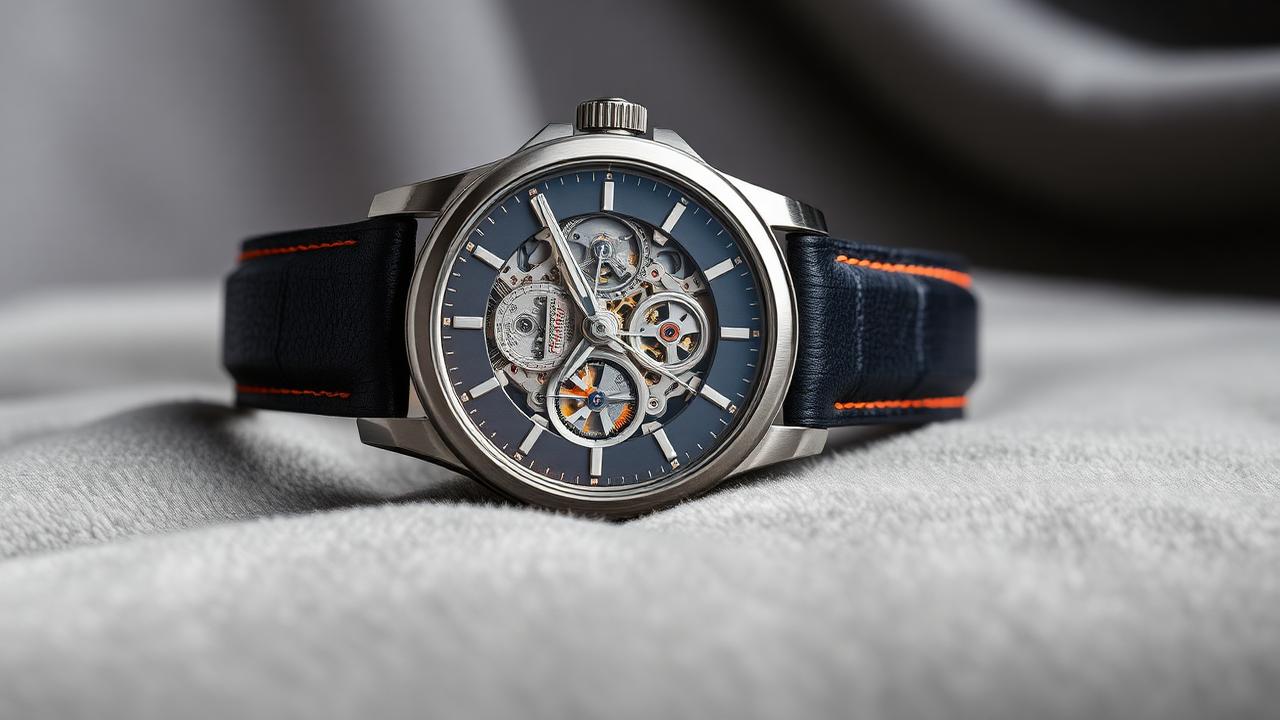
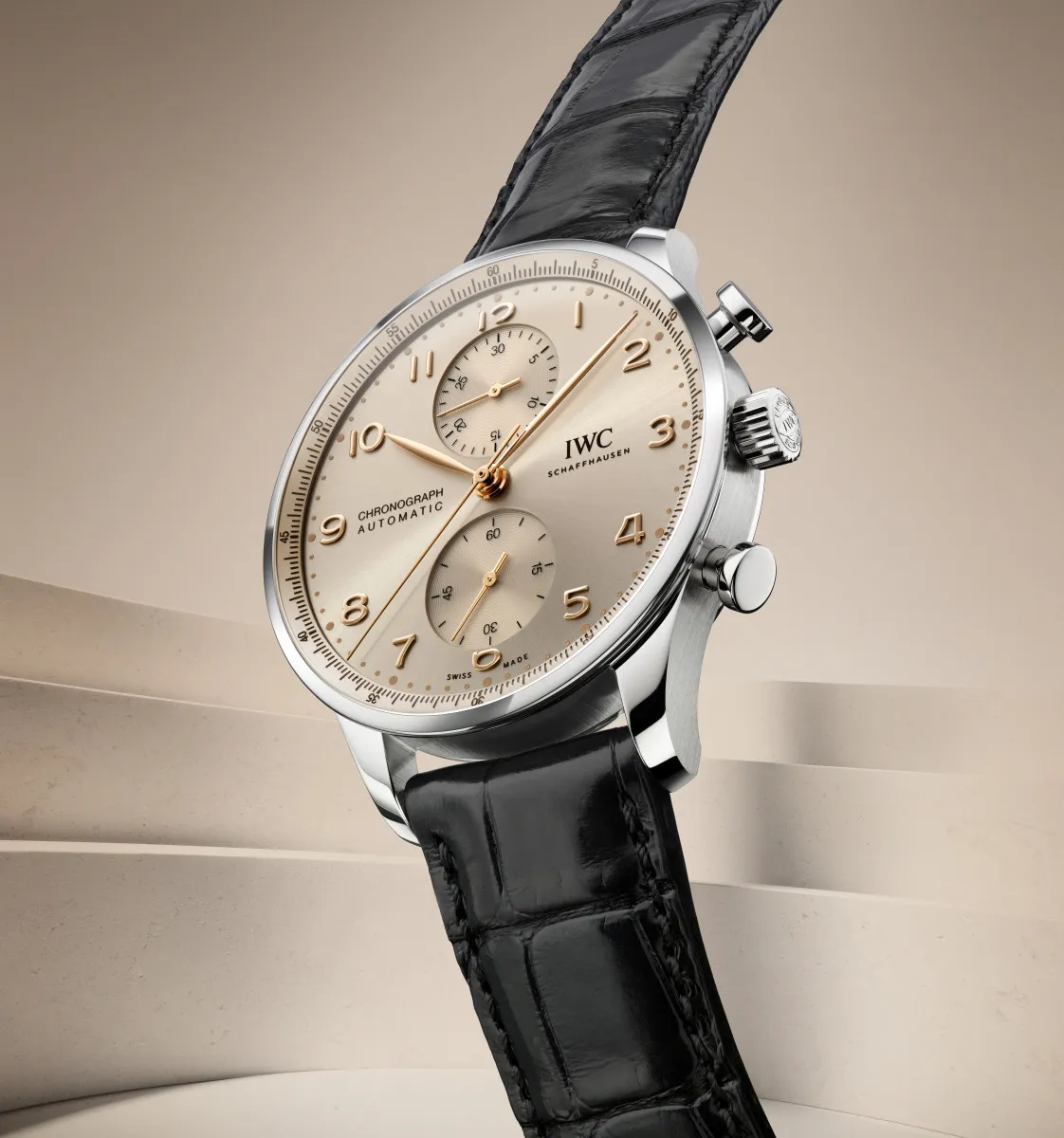
Swiss watchmaking is resisting technological competition. According to the Federation of the Swiss Watch Industry (FH), Swiss watch exports reached 26.7 billion Swiss francs in 2024, driven by demand for luxury watches (Rolex, Patek Philippe, Audemars Piguet, Omega). The mechanical luxury segment and Asian clientele remain strong drivers.
The market is clearly polarizing: on one side, smartwatches (Apple, Samsung, Garmin) focused on health and connectivity; on the other, traditional watchmaking focused on heritage, craftsmanship, and investment. Convergence attempts (Tag Heuer Connected, Louis Vuitton Tambour) remain niche markets.