This is a figure that worries the entire African health system: 159 deaths and 622 probable cases. This toll, delivered on Thursday, May 21, 2026, in Dakar by Congolese Minister of Health Samuel Roger Kamba on the sidelines of a regional trip and relayed by the Senegalese Press Agency, marks a new worsening of the seventeenth Ebola epidemic raging in the Democratic Republic of Congo, mainly in the eastern province of Ituri. In just ten days, the number of suspected cases has nearly doubled – it was 350 on May 17, 513 on May 19, and thus reached 622 this May 21.
A Bundibugyo strain with uncertain contours##
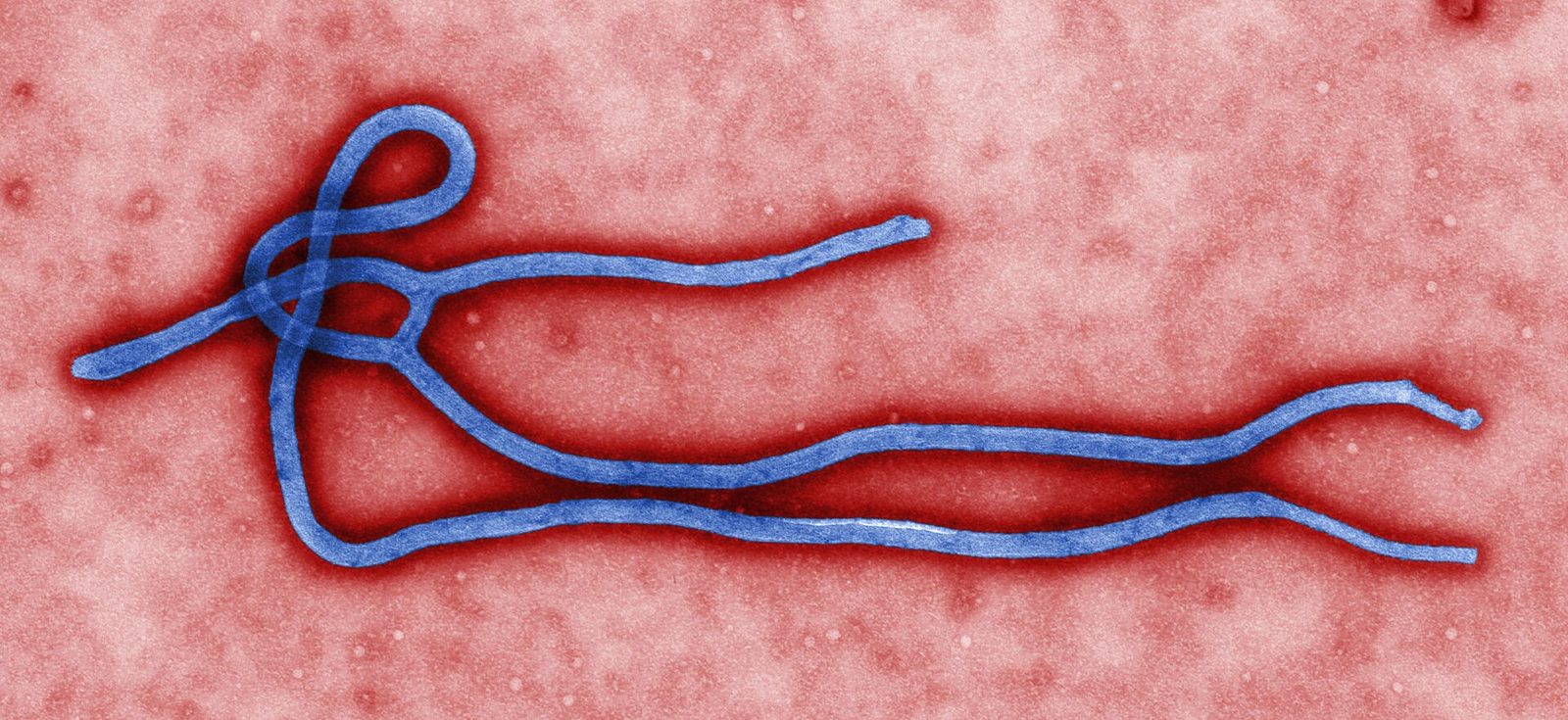
The strain in question, identified at the end of April by the National Institute of Biomedical Research in Kinshasa, is the Bundibugyo variant, named after the Ugandan district where it was first described in 2007. Less lethal than the Zaire strain – the observed mortality is around 25% to 30% compared to the usual 50% to 60% – it remains formidable, particularly because the available vaccines, designed against the Zaire strain, offer only partial cross-protection. This is one of the major challenges of the current health response.
The epicenter: Bunia, Mongwalu, and mining areas##
The epidemic is concentrated in two main hotspots: the city of Bunia, capital of Ituri, which has nearly 400,000 inhabitants, and the mining town of Mongwalu, 80 kilometers to the northeast, famous for its gold deposits. This geography considerably complicates the response: the area is densely populated, constantly traversed by gold prospectors and cross-border traders, and subject to chronic insecurity caused by the CODECO and ADF armed groups. According to RFI, several healthcare teams have already been infected in health facilities in Bunia due to a lack of adequate personal protective equipment.
Witchcraft and distrust, the other epidemic##
In his press briefing on May 16 in Bunia, Minister Kamba acknowledged that the challenges were not only medical. The belief, still widespread in some communities, that deaths are caused by witchcraft considerably hinders the declaration of cases and the acceptance of isolation protocols. Several mobile teams from the WHO and Doctors Without Borders have been attacked by families refusing secure body burials. Added to this is distrust of the central government, exacerbated by the security situation: in some villages, the arrival of a vaccination team is perceived as a political operation rather than a health intervention.
WHO sounds the alarm, the response is being organized##
From Geneva, WHO Director-General Tedros Adhanom Ghebreyesus issued a statement on Thursday calling on international donors to urgently release $95 million to fund the response. The CEPI mechanism has already released $12 million to accelerate the production of the candidate vaccine against the Bundibugyo strain developed by IAVI. On the ground, 18 mobile teams have been deployed and 6,800 doses of the Ervebo vaccine – although designed against the Zaire strain – have been administered in a ring vaccination strategy, in the hope of partial cross-protective effects. The Ugandan border, just 80 kilometers from Bunia, has been subject to enhanced epidemiological surveillance since May 12.
A seventeenth epidemic that says a lot##
The DRC has already experienced sixteen Ebola epidemics since the virus was discovered in 1976 in the village of Yambuku – the previous one, in 2025, was contained in less than four months. If the current trajectory is worrying, it is precisely because it deviates from the usual pattern: rapid geographical spread, healthcare worker contamination, community distrust, and insecurity. According to Jean-Jacques Muyembe, a Congolese virologist who co-discovered the virus, interviewed by Radio Okapi, "if we do not contain the Bunia hotspot within three weeks, we risk a regional spread reminiscent of the 2014 West African outbreak." The 2014-2016 West African epidemic caused over 11,000 deaths.
A first case outside Ituri, in the M23 zone##
This is the other major piece of news from this Thursday, May 21. For the first time since the start of the epidemic, a case has been confirmed outside the Ituri province: in Bukavu, the capital of South Kivu, in an area under M23 rebel group control since February 2025. According to the statement released by the group's spokesperson and relayed by franceinfo, analyses confirm a positive case in a 28-year-old man from Kisangani, in the Tshopo province – where no cases had been reported until now. The patient died before the diagnosis could be confirmed. Based on its own data, WHO suspects the virus may have been circulating for several months and estimates the death toll at 139 for nearly 600 probable cases, whereas the Congolese Ministry of Health reports 159 deaths and 622 suspected cases. The UN agency, which on Wednesday judged the epidemic risk "high" for Central Africa but "low" globally, sees this geographical spread as a major warning sign. Immediate diplomatic consequence: India and the African Union have postponed the Africa-India summit initially scheduled for May 28-31 in New Delhi.
Economic and migratory impact##
Ituri is one of the poorest provinces in the country and one of the main sources of artisanal gold in the region. Initial estimates from the Bunia Chamber of Mines suggest a 40% drop in activity since the end of April due to a lack of available labor and circulation restrictions. The neighboring Ugandan government announced the suspension of all non-essential cross-border transit starting Monday, May 25, a measure that worries humanitarian NGOs: 110,000 refugees currently live in border camps and depend on supplies from Bunia.
Editorial opinion##
The curve is clear: in the space of ten days, the number of cases has almost doubled, and the epidemic is now crossing provincial borders with a first confirmed case in South Kivu. This is precisely the profile that distinguishes a controllable epidemic from one that is spiraling out of control. The DRC has world-class health expertise – Jean-Jacques Muyembe, the INRB, teams trained on the sixteen previous epidemics – but it is facing a particularly dangerous cocktail: a strain less well covered by existing vaccines, armed insecurity, cultural distrust, a cross-border mining area, and now spread into territory controlled by an armed group. The international community has a three-to-four-week window of action to prevent this hotspot from becoming a regional crisis. The $95 million requested by WHO, which seems considerable, represents only a fraction of what an out-of-control epidemic would cost. It must be released. Now.
Key takeaways##
- Thursday, May 21, 2026: New official toll of the 17th Ebola epidemic in the DRC announced by Minister Kamba – 159 deaths, 622 suspected cases (APS Senegal). WHO, based on its own data, reports 139 deaths for nearly 600 probable cases (franceinfo).
- First confirmed case outside Ituri: in Bukavu (South Kivu), in an area controlled by the M23, in a patient from Kisangani.
- Diplomatic consequence: The Africa-India summit in New Delhi (May 28-31) has been postponed.
- Bundibugyo strain, identified end of April 2026, mortality of 25 to 30%.
- Main hotspots: Bunia (capital of Ituri) and Mongwalu, gold mining area.
- WHO deems risk "high" for Central Africa, "low" globally.
- Enhanced epidemiological surveillance at the Ugandan border since May 12.