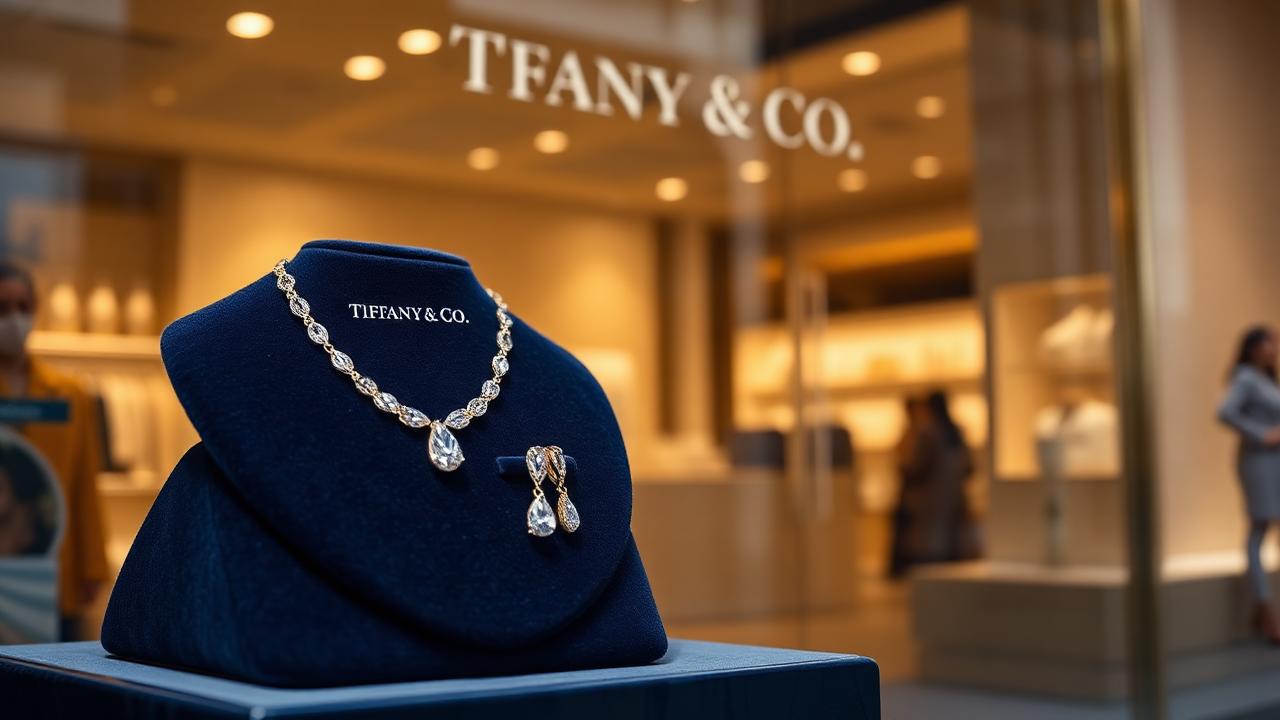
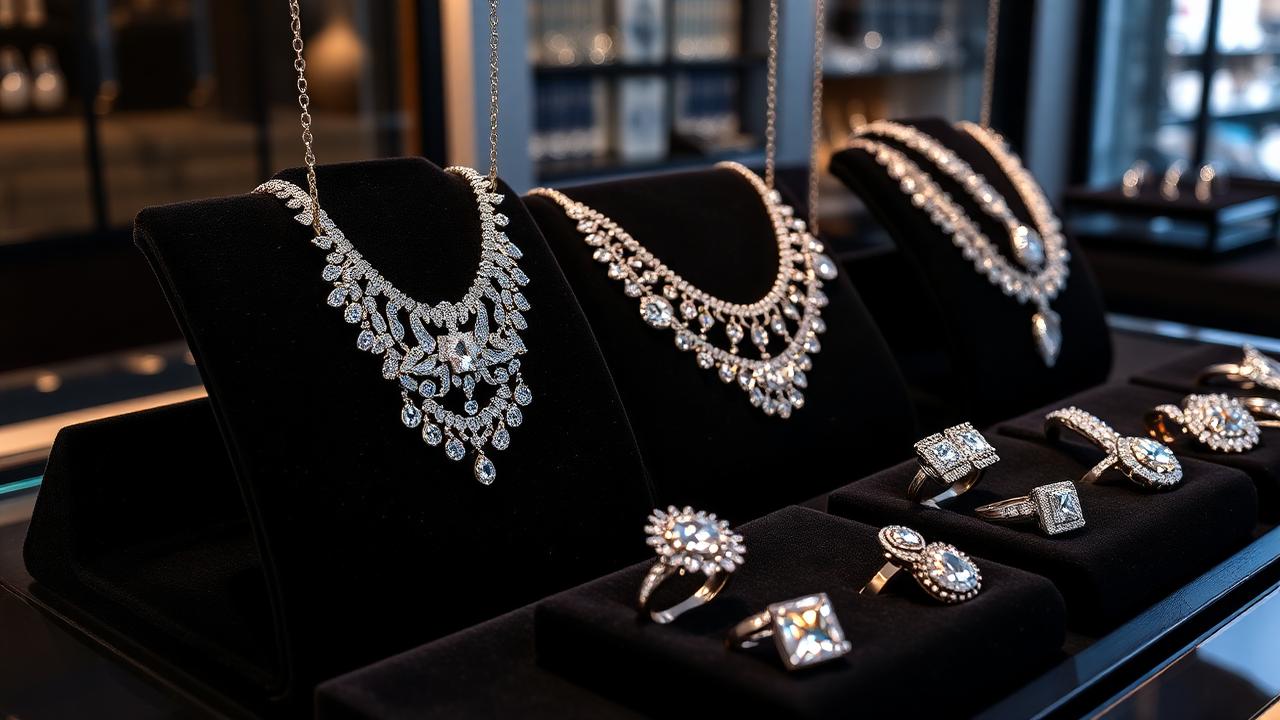
The global diamond market is undergoing a structural transformation of unprecedented scale. According to the latest report from the Gemological Institute of America (GIA), published in March 2026, lab-grown diamonds now represent 22% of global sales by volume, up from 7% in 2022. In value, the segment reaches $12.4 billion – a 38% year-on-year increase – driven by the rise of CVD (Chemical Vapor Deposition) and HPHT (High Pressure High Temperature) techniques, which produce stones chemically, physically, and optically identical to natural diamonds.
Major jewelry houses can no longer resist the wave. Following the launch of Lightbox by De Beers in 2018, Pandora, Swarovski, and several Place Vendôme ateliers are now incorporating synthetic diamonds into their collections. In January 2026, LVMH took a 15% stake in the American startup Diamond Foundry, valued at $5.2 billion, signaling a strategic shift for the luxury group. The average price of a synthetic carat has fallen to $900, compared to $4,200 for a natural diamond of comparable quality – a gap that makes high jewelry accessible to a broader clientele.
The ethical argument carries significant weight in purchasing decisions. A February 2026 McKinsey study reveals that 67% of Gen Z jewelry buyers consider the origin of the stone a determining factor. Lab-grown diamonds offer complete traceability – each stone is recorded in a blockchain registry – and avoid controversies linked to conflict zones. The Kimberley Process, intended to guarantee the ethical origin of natural diamonds, is regularly criticized for its loopholes: in 2025, Global Witness documented flows of stones originating from war zones transiting through certified countries.
On a technical level, recent advancements definitively blur the line between natural and synthetic. WD Lab Grown Diamonds laboratories announced in March 2026 the production of a 15.32-carat gem-quality diamond – the largest ever grown – in just six weeks. Even the latest generation of spectrometers struggle to distinguish the two categories without in-depth isotopic analysis. For gemologists, the era of "natural superiority" is drawing to a close; what remains is the symbolic and heritage dimension, the last bastion of mined diamonds.
The secondary market reflects this shift. Natural diamonds, long considered safe havens, have lost an average of 15% of their resale value since 2024, according to data from the auction platform Worthy. Investors are turning to natural colored diamonds – pink, blue, green – whose absolute rarity protects them from synthetic competition. For white diamonds, the tipping point appears irreversible: technology has caught up with nature, and consumers have opted for value for money and transparency.