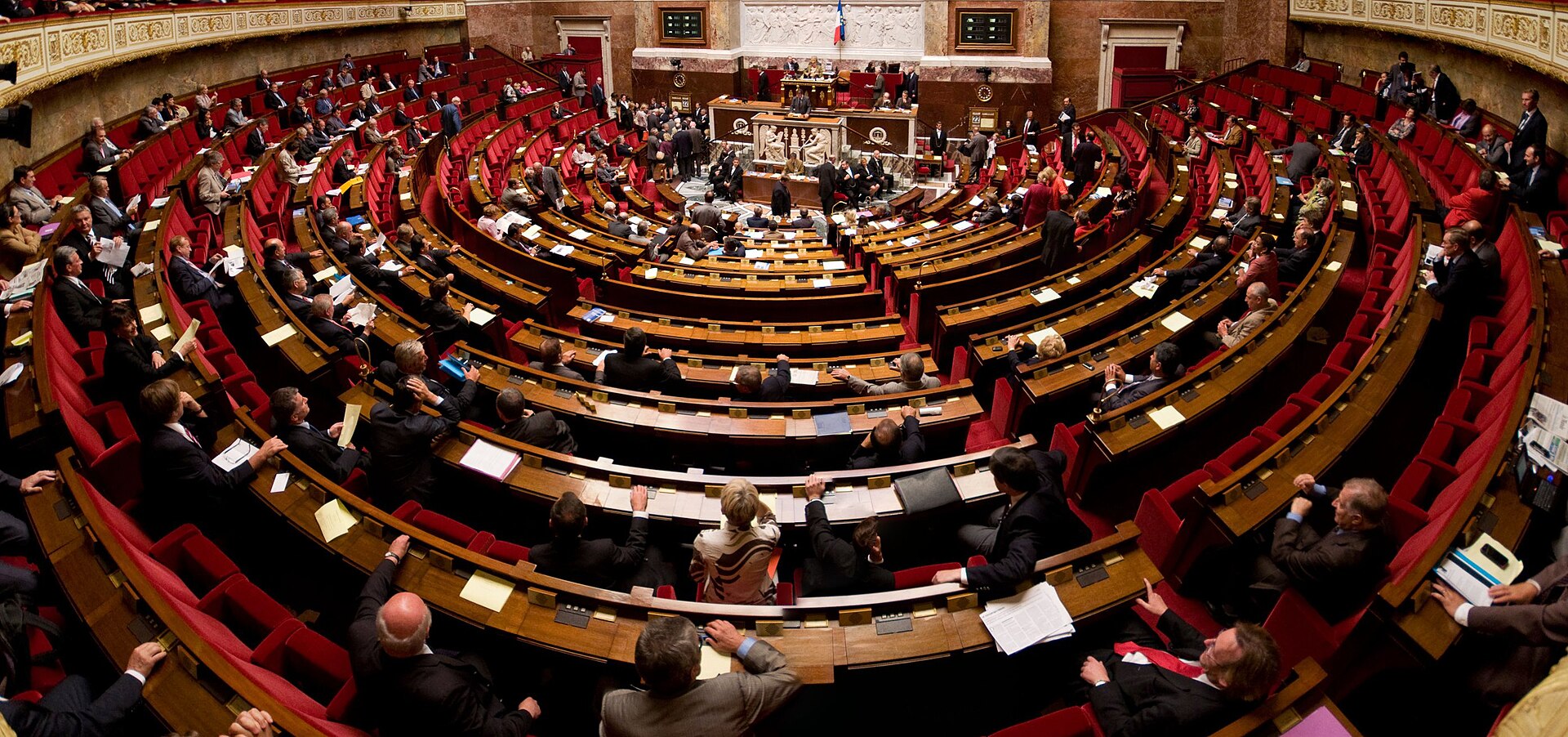
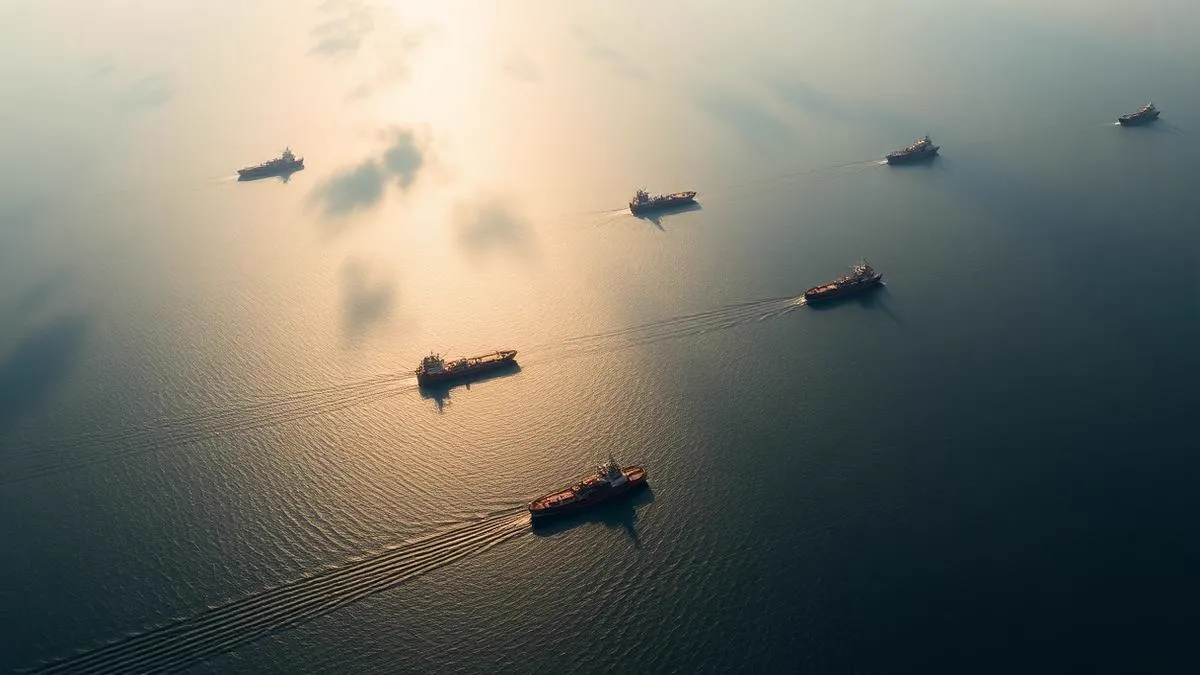
Global diplomacy is mobilizing to untangle one of the most serious maritime crises since the Iran-Iraq war. On April 2, 2026, British Foreign Secretary Yvette Cooper chaired a virtual meeting bringing together representatives from 41 countries to discuss ways to ensure freedom of navigation in the Strait of Hormuz—the bottleneck through which approximately 21% of global oil passes.
The summit follows an explicit request from US President Donald Trump, who reiterated in his April 1st address to the nation his warning to Iran: "Any attempt to block Hormuz will be considered an act of war." Tehran, for its part, has repeatedly threatened to close the strait in retaliation for US-Israeli strikes on its territory.
The economic stakes are colossal. The partial blockade of the strait since mid-March has already caused a 35% surge in the price of Brent crude oil, which is now trading above $106 a barrel. Shipping companies have diverted some of their traffic to alternative routes—notably the SUMED pipeline in Egypt and the Cape of Good Hope—but these options significantly increase transport times and costs.
The final statement from the meeting, released by the British Foreign Office, calls for "freedom of navigation in accordance with international maritime law" and urges all parties to "refrain from any action that could impede maritime trade." France, Germany, Japan, and India were among the most active participants. China, though invited, declined to participate.
Goldman Sachs analysts estimate that if the strait remains disrupted beyond the second quarter, the price per barrel could reach $130, triggering a global recession. The next meeting is scheduled for April 15, this time in person in London, with the goal of defining a multilateral maritime security framework.