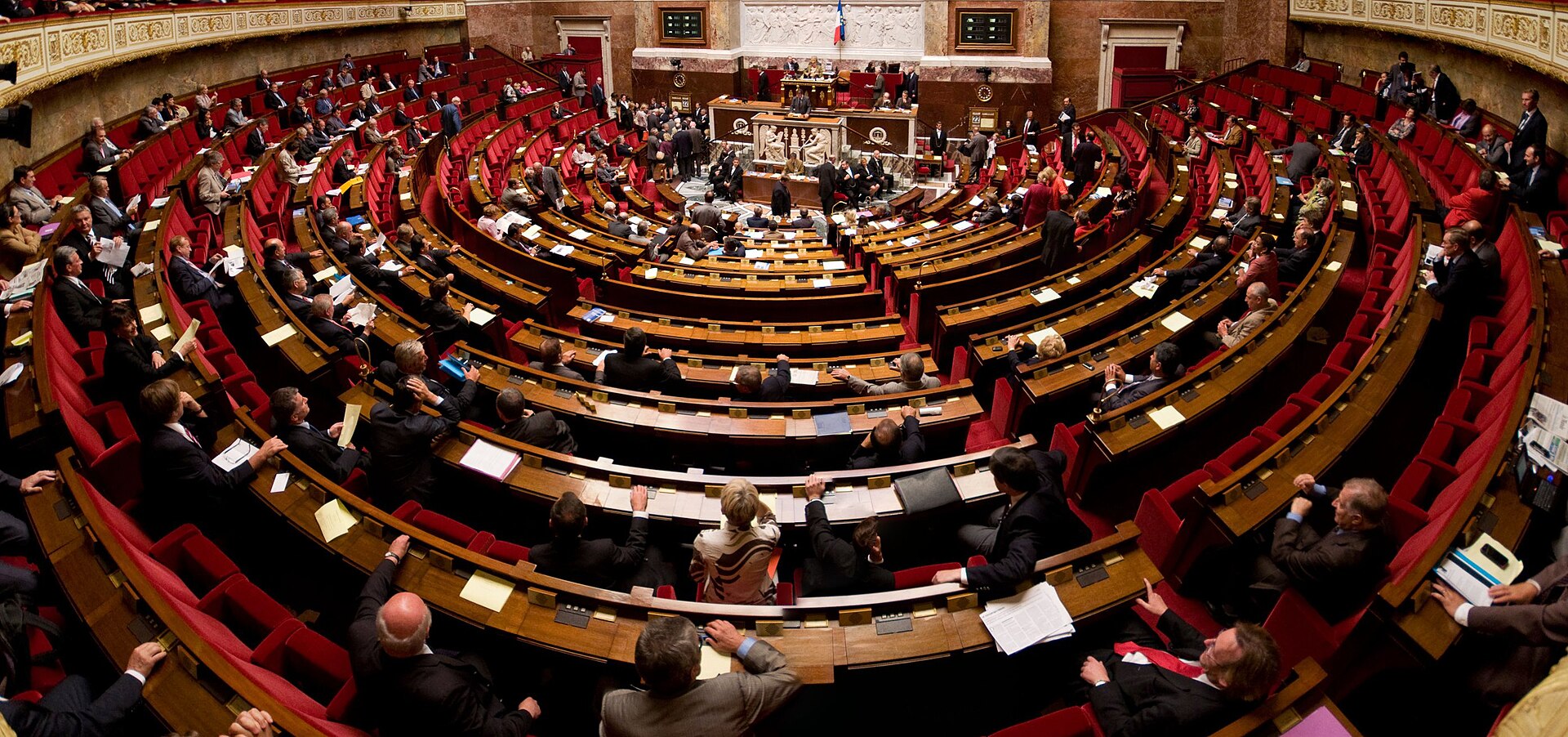
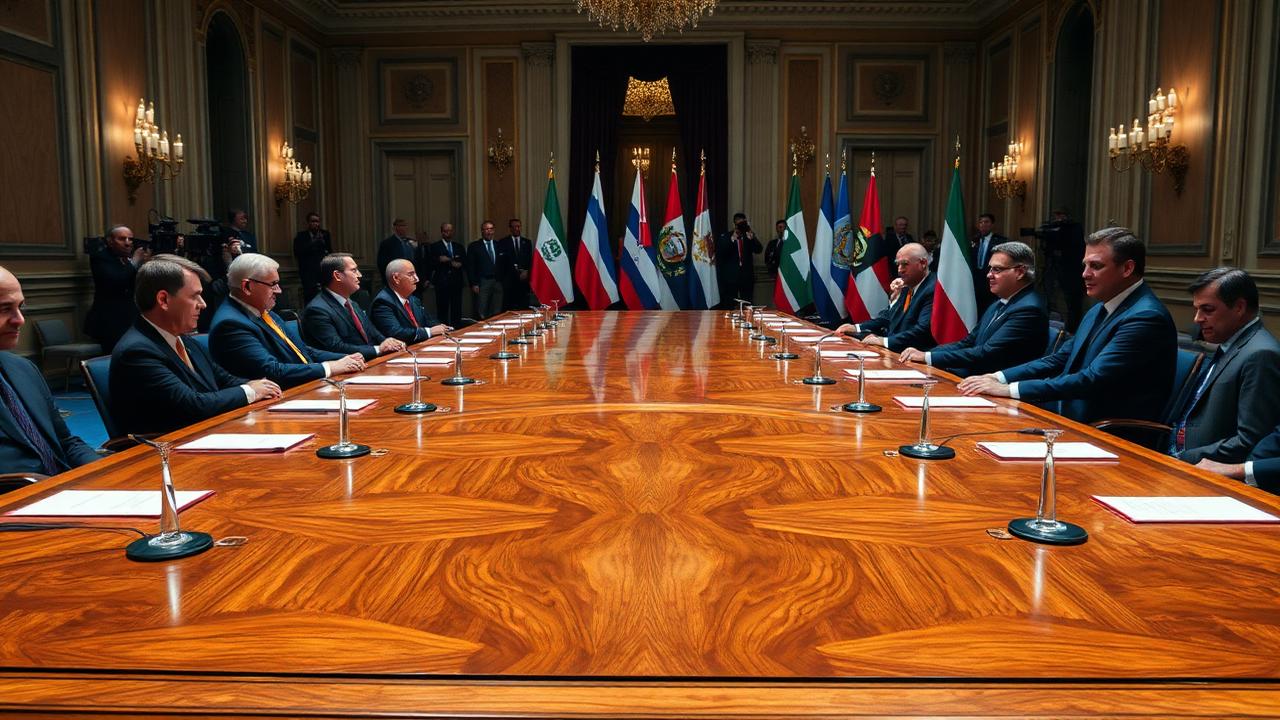
This is a summit of major strategic importance for global trade that was held this Friday, April 17, 2026, from Paris. Around thirty "non-belligerent" countries, according to the phrasing adopted by the Élysée and reported by BFMTV and Marine & Océans, participated in a videoconference co-chaired by French President Emmanuel Macron and British Prime Minister Keir Starmer. The announced objective: to lay the groundwork for a multinational mission aimed at restoring freedom of navigation in the Strait of Hormuz, a passage through which a decisive portion of global oil and gas still transits.
A Franco-British Initiative, Without Washington
The absence of the United States gives this conference a decidedly European flavor. According to Reuters, the Trump administration did not wish to associate itself with an initiative it deemed insufficiently offensive, preferring to maintain its own bilateral strategy of pressure on Tehran. Paris and London, on the contrary, are adopting a so-called "purely defensive" approach, not intended to strike Iran but to offer a coordinated presence to protect merchant ships "when security conditions permit," according to terms used by the French presidency and reported by franceinfo.
Around Thirty Participants, Outlines Still to Be Clarified
The videoconference format allowed for a broader participation than if countries had to travel to Paris on short notice. According to BFMTV, several major European countries were represented, as well as Gulf states directly concerned by the restoration of maritime traffic. The French presidency clarified that the mission is not intended to replace regional forces but to provide a coordinated and deterrent presence. Operational details—rules of engagement, command sharing, deployment schedule—will be addressed in technical meetings in the coming weeks, according to diplomatic sources cited by Reuters.
A Vital Energy Issue for Europe
Since the military sequence between the United States, Israel, and Iran paralyzed the region in recent weeks, the Brent crude oil barrel has experienced historic volatility, reaching peaks above $120 before partially retreating. European markets, particularly dependent on Gulf hydrocarbons, are following the initiative with attention. For Brussels, securing Hormuz has become a question of energy sovereignty as much as price stability at the pump for European consumers. Analysts recall that any prolonged interruption of the strait would have immediate consequences on inflation.
Tehran Observes, Washington Keeps Its Distance
Iran, which is obviously not invited, has stated through its Ministry of Foreign Affairs that it would consider any prolonged foreign military presence in the strait as a "provocation." For its part, the US administration has not officially commented on the Parisian initiative, but several analysts interviewed by Reuters believe that the White House prefers to maintain full control of its sanctions policy, without delegating it to a European multilateral framework. This diplomatic equation illustrates the full difficulty of a mission that must combine naval firmness with political neutrality towards Tehran.
AI's Opinion
The Franco-British initiative marks a strategic shift: for the first time since the US withdrawal from Afghanistan in 2021, Europe is solely assuming the coordination of an issue vital to its economy. This is a real step in geopolitical maturity, but also a formidable test. Without American intelligence and projection capabilities, a "purely defensive mission" risks remaining largely symbolic if it is not equipped with an integrated command chain and its own resources. The credibility of the operation will be decided in the next six months.
Key Takeaways
- Videoconference on April 17, 2026, co-chaired by Emmanuel Macron and Keir Starmer.
- Around thirty "non-belligerent" countries convened for a multinational mission.
- Objective: restore freedom of navigation in the Strait of Hormuz, without offensive intervention.
- Noteworthy absence of the United States, which favors its bilateral strategy.
- Operational details to be defined in the coming weeks.