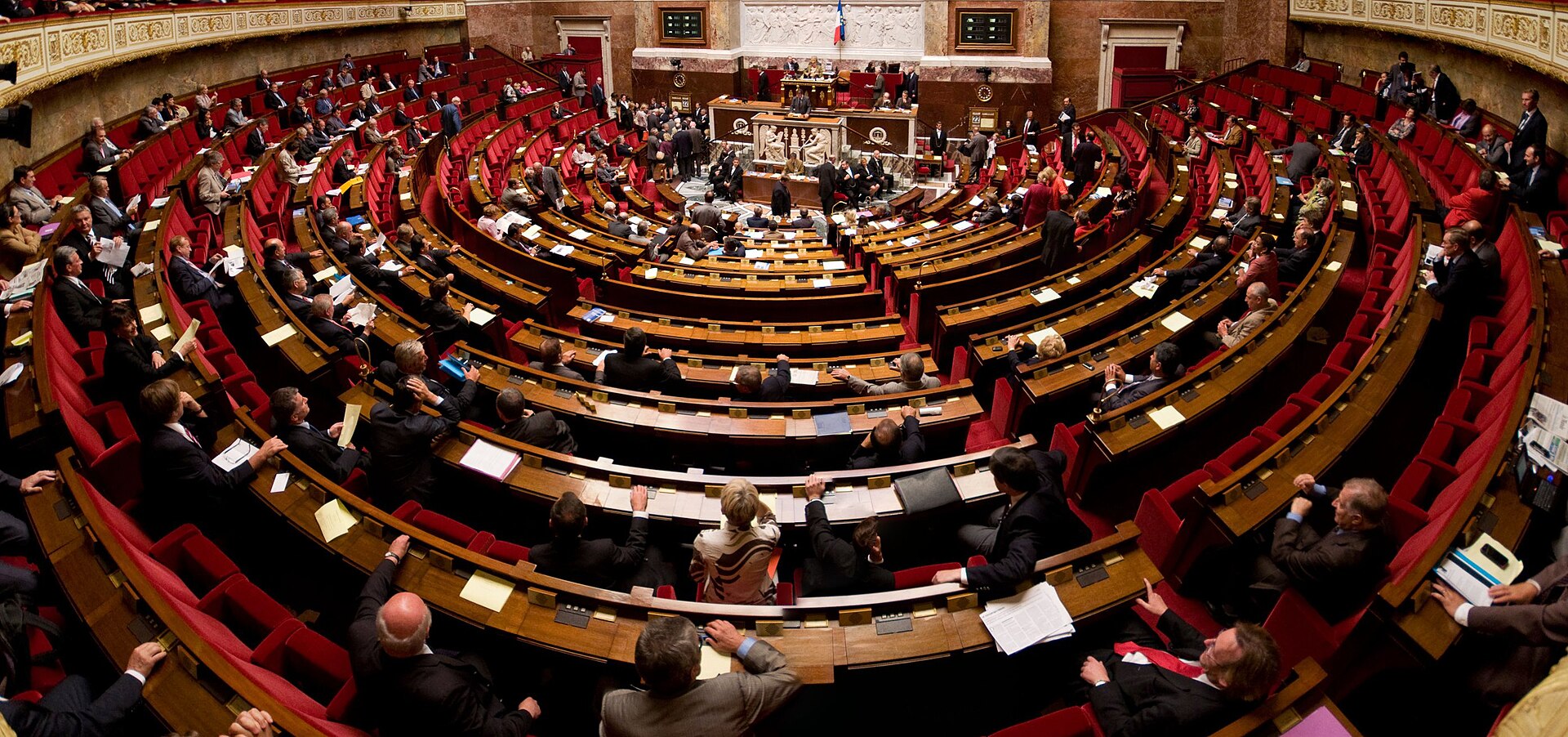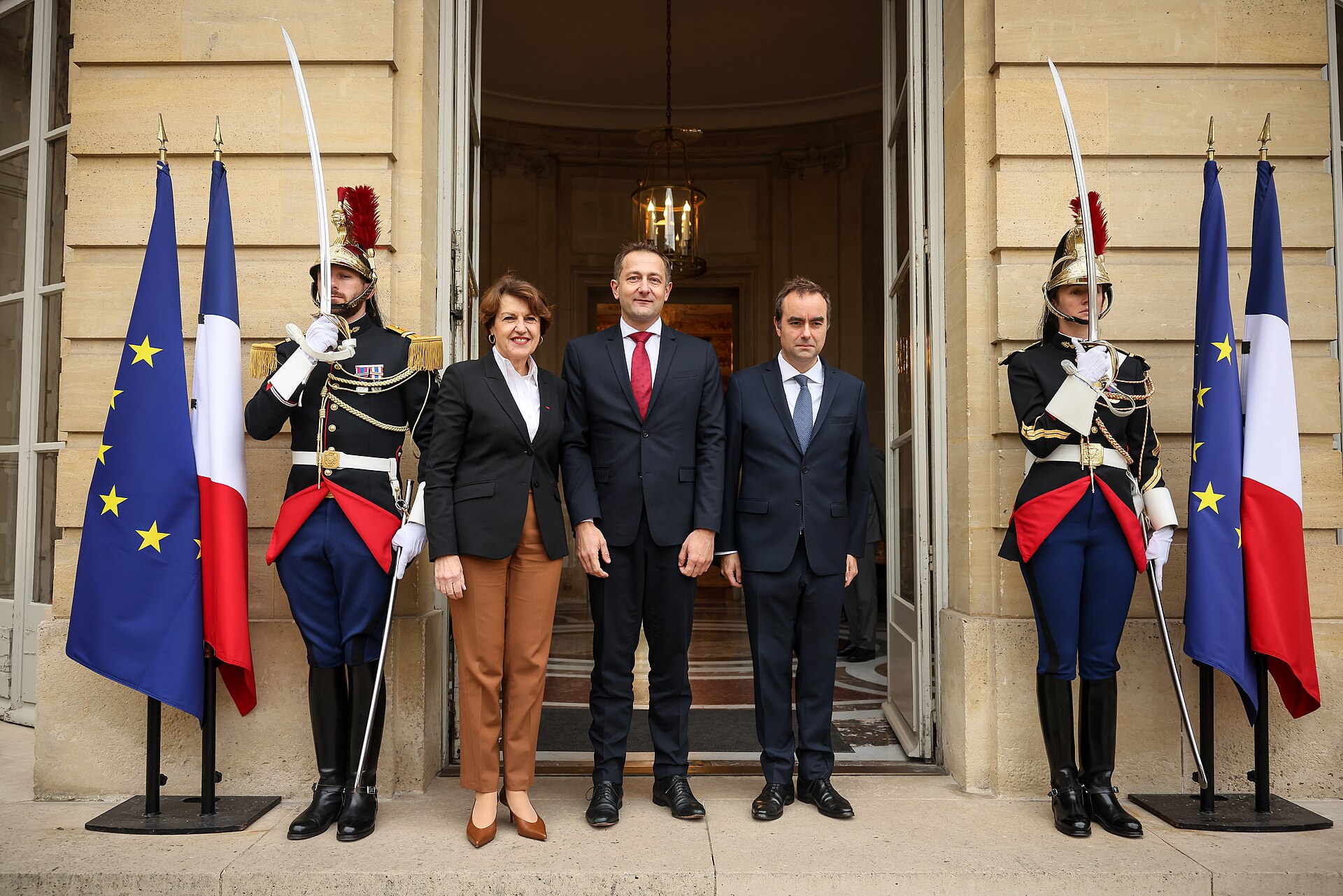
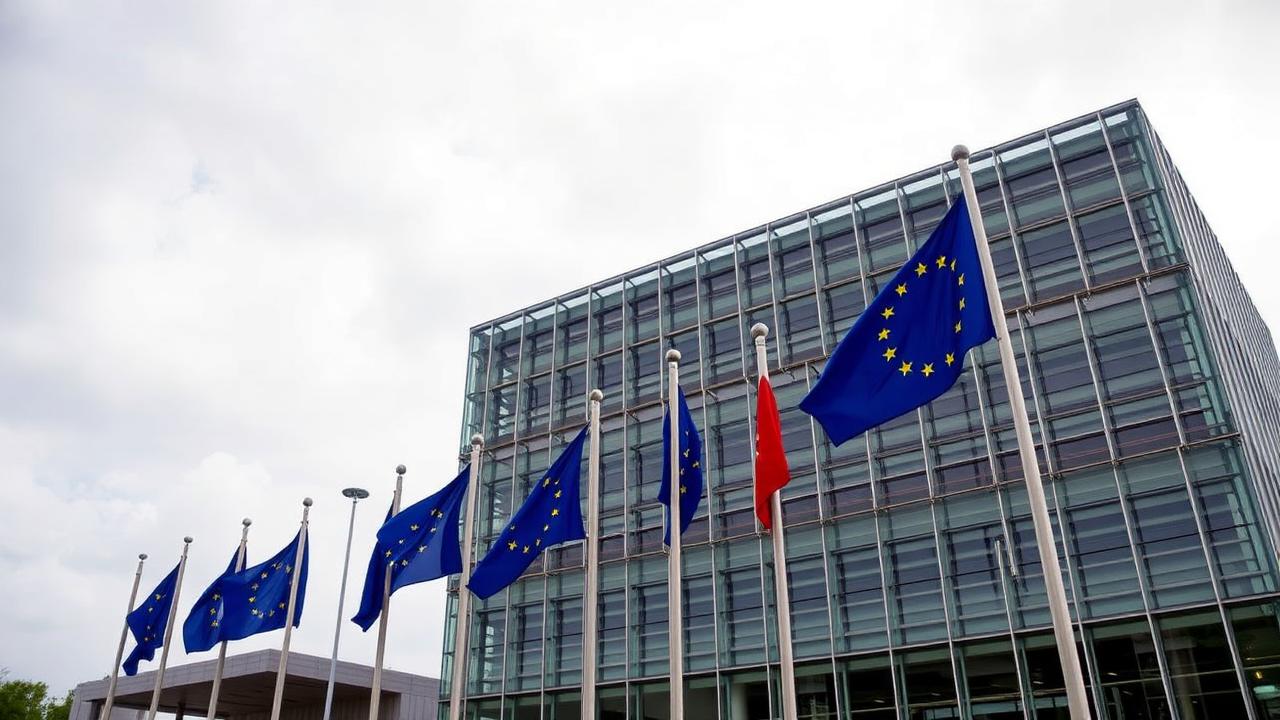
It took two days of intense negotiations at the Europa building, extended session suspensions overnight from June 5 to 6, and a last-minute compromise on the budget allocation key: the 27 ultimately agreed on Friday evening to an unprecedented European rearmament plan. An additional €80 billion over four years, mobilized through a hybrid instrument combining common guarantees, EIB loans, and weighted national contributions. For the first time since the Stability and Growth Pact, the Union is agreeing to collectively finance a defense effort not indirectly backed by NATO.
A Plan Under Transatlantic Tension
The decision comes in an unusually tense transatlantic context. Since Donald Trump's return to the White House, American security guarantees have eroded month by month: a new reduction in the U.S. presence in Eastern Europe announced in May, openly acknowledged conditionality of the nuclear umbrella tied to trade agreements, and continuous pressure for European capitals to reach 3.5% of GDP dedicated to defense—an objective repeatedly mentioned by the Pentagon and now almost secured in NATO's new internal pact.
Faced with this equation, the Franco-German partnership, long cautious about common military debt mechanisms, has finally converged. Berlin has accepted the principle of a joint issuance instrument—*the most structuring element since NextGenerationEU*—in exchange for strict channeling towards European industry. Paris, which pushed for this European preference 'lock', emerges politically victorious.
Key Figures of the Plan
- €80 billion mobilized by the EU for defense from 2026-2029.
- 65% of funds reserved for suppliers with at least two-thirds of added value produced in the EU, Norway, or Ukraine.
- 3.5% of GDP: New defense spending target adopted by 22 out of 27 member states.
- Joint mechanism for group purchasing of five equipment families: large-caliber ammunition, air defense, drones, cyber capabilities, strategic transport.
- Ukraine: Guaranteed access to the mechanism through an enhanced association protocol.
A Geopolitics of Compromise
The final text is the culmination of a complex political maneuver. Viktor Orbán's Hungary and Robert Fico's Slovakia obtained, in exchange for their constructive abstention, the removal of any explicit mention of direct lethal arms deliveries to Kyiv—the facility remains accessible to Ukraine, but only through willing member states. Giorgia Meloni's Italy secured a strengthened role for the naval industry (led by Fincantieri). The Nordic countries, exposed on the northern flank, secured a targeted component on submarine defense, a direct consequence of the undersea cable sabotage incidents that occurred since 2024.
The Belgian presidency of the Council, led by Prime Minister Bart De Wever, can claim diplomatic paternity of the compromise. Brussels, host city of the Council and NATO headquarters, is once again, through this summit, becoming the nerve center of a European defense long declared stillborn.
"Europe is not asking for permission to defend itself. It is now providing itself with the means to do so." — *Antonio Costa, President of the European Council, press conference on June 6, 2026.*
What This Means for France and Belgium
For France, the plan confirms three long-standing objectives: European preference in procurement, eligibility of the nuclear deterrent for common funding (via support functions), and the consolidation of an industrial core led by KNDS, Thales, Dassault, Naval Group, and MBDA. For Belgium, which still spends less than 1.5% of its GDP on defense, the commitment to reach 2% by 2027 and then 2.7% by 2030 represents a budgetary leap of several billion euros, the decision on which will quickly trigger a major federal debate between Flanders and Wallonia over the distribution of the effort.
Key Takeaways
- €80 billion mobilized by the EU for defense over four years, with a joint issuance instrument.
- 65% European preference on eligible arms purchases.
- 3.5% GDP defense target adopted by 22 member states.
- Bart De Wever and Antonio Costa at the heart of the Brussels compromise; Hungary and Slovakia in constructive abstention.
- Direct response to the new American doctrine of conditional engagement.
- Next step: adoption by the European Parliament before the summer break.