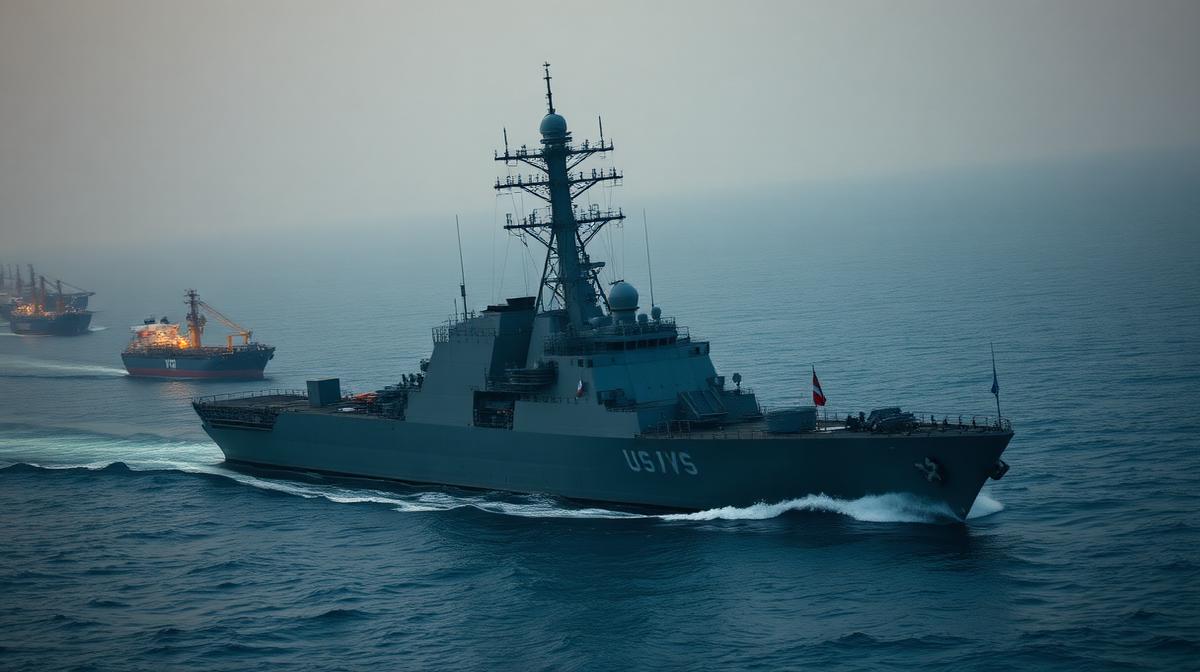
The US naval blockade of Iranian ports, announced by President Donald Trump, officially took effect on Monday, April 14, 2026. According to the Associated Press, the US Navy is now strictly controlling vessels entering and leaving Iranian ports and the country's coastal areas. Maritime traffic in the Strait of Hormuz, through which about one-fifth of the world's oil passes, is significantly disrupted.
Pakistan as Mediator
In this context of extreme tension, Pakistan has proposed a new round of talks between Washington and Tehran. According to AP News, the first session of discussions in Islamabad took place last weekend, and both sides are "exchanging messages" through Islamabad. US Vice President JD Vance stated that there had been "a lot of progress" during this first round, adding that US officials were discussing a potential new in-person meeting with the Iranians.
Tehran Denounces, Beijing Condemns
Iran's ambassador to the United Nations called the blockade a "violation of international maritime law." China echoed this, calling the operation "dangerous and irresponsible," according to The National. A Chinese oil tanker under US sanctions has already crossed the Strait of Hormuz despite the blockade, in a move perceived as a direct challenge to Washington. Deutsche Welle reports that President Trump nevertheless affirmed that Iran "very strongly" wanted a deal to end the conflict.
Uncertain Prospects
According to CNN, officials from the Trump administration are discussing a potential new in-person meeting with the Iranians, possibly as early as this week in Islamabad. However, the situation remains "very uncertain" in the Strait of Hormuz, in the words of an official quoted by The National. International observers fear that a naval incident could escalate the crisis into a direct confrontation.