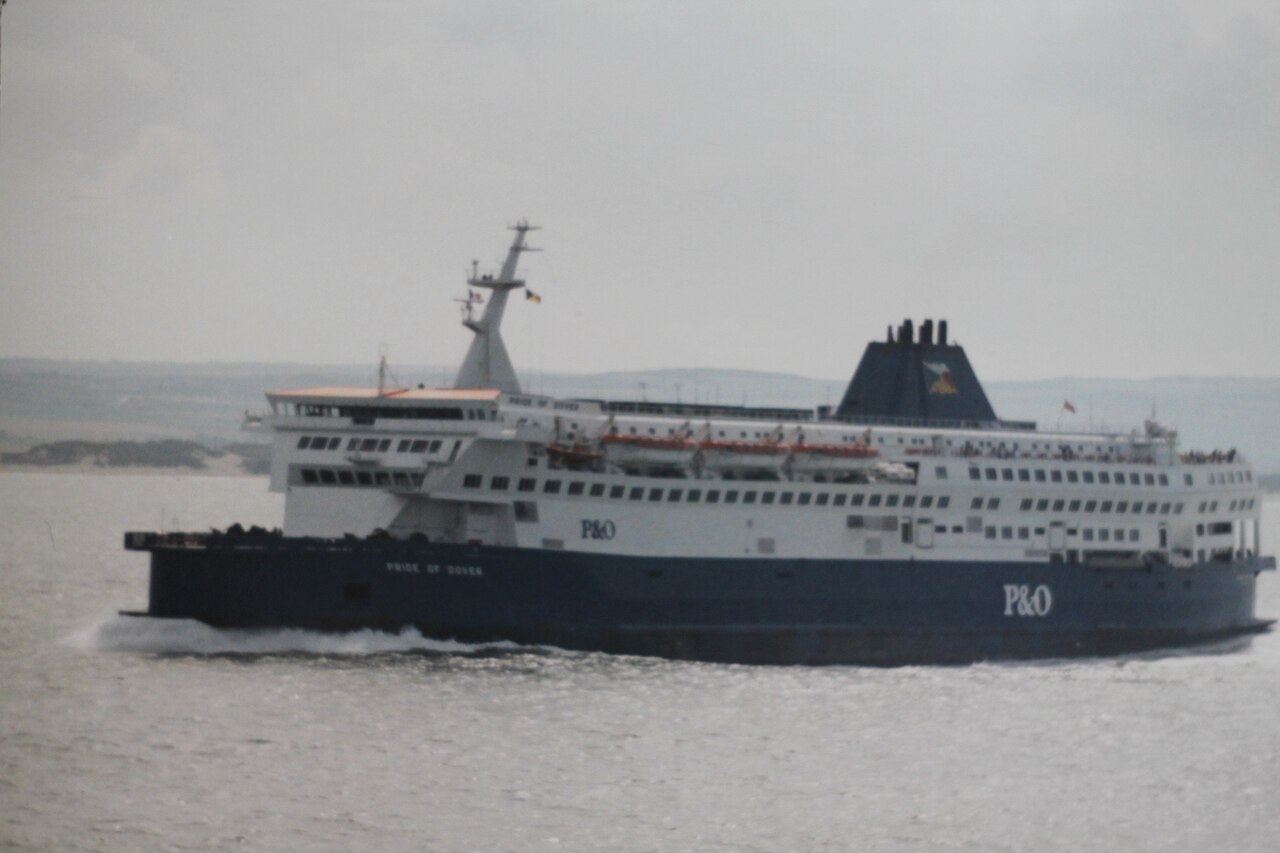
Under a typical grey sky of the northern coast, Manuel Valls and the British Home Secretary Yvette Cooper signed a new Franco-British agreement on Thursday, April 23, 2026, in Sangatte (Pas-de-Calais), a few meters from the beach where hundreds of migrants embark each week. The agreement was presented as "historic" by both governments. The text extends and strengthens the Sandhurst Treaty signed in 2018 by Gérard Collomb and Amber Rudd, and marks a paradigm shift: for the first time, part of the British financial contribution will be conditional on measured results on French territory.
Strengthened Measures on Three Fronts
The agreement is deployed on three pillars, detailed during a joint press conference at the sub-prefecture of Calais. Firstly, a massive human component: law enforcement numbers will be increased to approximately 1,400 agents by 2029, up from 950 today, a nearly 50% jump. A dedicated CRS unit – funded by France but co-funded at 30% by London – will be created starting September 1, 2026. Secondly, a technological component: deployment of long-endurance maritime surveillance drones, helicopters equipped with thermal cameras, coastal radars, and acoustic sensors to detect small boat departures before they cross the twelve-mile limit. Finally, a judicial component: a joint Franco-British prosecutor's office will be established in Lille to handle smuggling networks.
Conditional Funding, A European First
The main innovation lies in the financial mechanism. The £480 million promised by London over three years (approximately €565 million) will only be paid 70% unconditionally. The remaining 30% – £145 million – will be linked to specific objectives: number of boats intercepted, number of smugglers arrested, effective dismantling of networks. "This is a demanding partnership, and that's a good thing for taxpayers on both sides of the Channel," commented Yvette Cooper. Manuel Valls, for his part, emphasized "the republican continuity of the French commitment" and stressed that "no migrant should die in the Channel due to our negligence."
Context: 2025 a Record Year
The signing comes after a record year in 2025: 38,600 people reached the English coast aboard small boats, according to the Home Office, a 22% increase compared to 2024 and the highest figure since counting began in 2018. French prefectural services, meanwhile, report 12 deaths at sea recorded since the beginning of 2026, and 75 over the whole of 2025. In the same period, about 33% of departures were prevented by French forces – a rate that Paris now commits to increase to 55% by the end of 2027.
Mixed Political Reactions
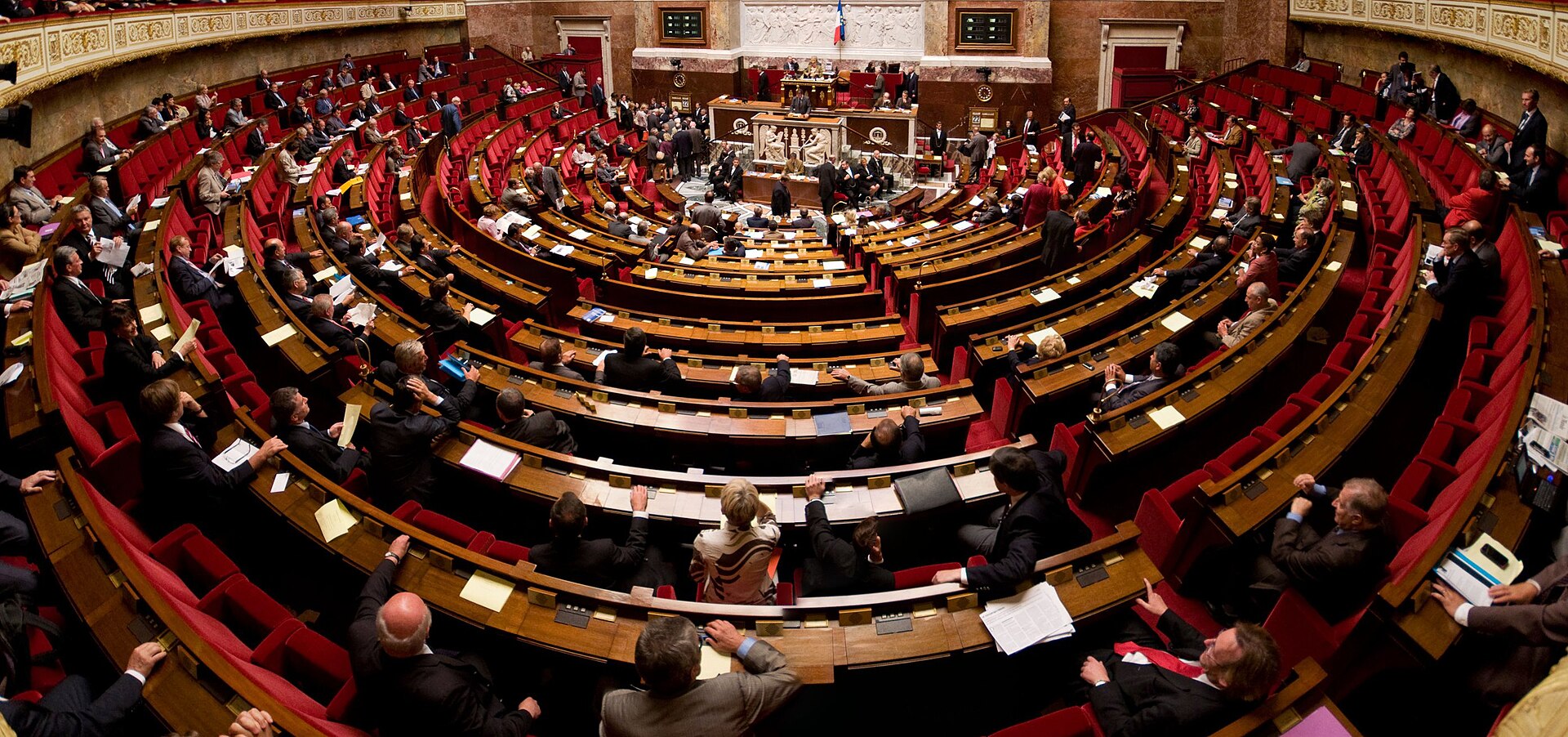
In Paris, the agreement was hailed as "pragmatic and necessary" by the Renaissance group, but criticized from both the right and the left. Marine Le Pen, president of the RN group in the National Assembly, denounced "a new blank check to London to do the job France can no longer do at home." On the left, Sandrine Rousseau (Ecologists) regretted "the militarization of a humanitarian drama" and called for the opening of legal asylum channels. On the British side, the Conservative opposition led by Robert Jenrick deemed the agreement "insufficient," while Nigel Farage's Reform UK party called it "a waste of public money."
The Frontex Question Remains
One point remains under discussion: the possible involvement of Frontex, the European border and coast guard agency, in the operation. Manuel Valls confirmed that "technical discussions" are underway with Brussels to allow Frontex agents to be deployed on French beaches. The United Kingdom, which left the EU in 2020, could not directly benefit from the operation, but operational cooperation remains possible. The European Commissioner for Home Affairs, Magnus Brunner, is expected to speak on this subject in Brussels on Friday.
Editorial Opinion
The Sangatte agreement represents undeniable progress in Franco-British operational cooperation, but it addresses symptoms rather than causes. The figures speak for themselves: since 2018, each successive agreement – Sandhurst, Calais Declaration 2023, London Treaty 2024 – has been followed by an increase in crossings. The reason is simple: as long as no legal and rapid asylum routes exist for eligible nationals, and as long as the British informal labor market remains accessible, demand will continue to fuel the supply of smugglers. Drones and CRS will undoubtedly prevent more departures, but they will not dry up the flow. The real question, which neither Paris nor London is yet willing to ask publicly, is that of a unified European relocation mechanism. Without it, the English Channel will alas remain this open-air cemetery where Europe loses a bit of its honor each week.
Key Takeaways
- New Franco-British agreement signed on April 23, 2026, in Sangatte by Manuel Valls and Yvette Cooper.
- Staffing increased to 1,400 agents by 2029, dedicated CRS unit, drones, and thermal helicopters.
- £480 million over three years, with 30% conditional on on-the-ground results.
- 38,600 crossings in 2025, an all-time record; objective of 55% interception by the end of 2027.
- Discussions open with Brussels on possible Frontex involvement.