It was around 6 p.m. on Saturday, April 25, 2026, when a homemade explosive device detonated a public transport vehicle on a road connecting Suárez to Buenos Aires, in the mountainous department of Cauca, southwest Colombia. The toll, initially set at six dead overnight, rose on Sunday, April 26, to 14 dead and 38 injured, according to regional health authorities. Several of the injured are in critical condition, and hospitals in Popayán, the departmental capital, are under pressure. This is the deadliest attack in the country since the beginning of the year, and it is part of a wave of violence that has hit Colombia just over a month before the presidential election on May 31, 2026.
Petro accuses the EMC, a FARC dissident group
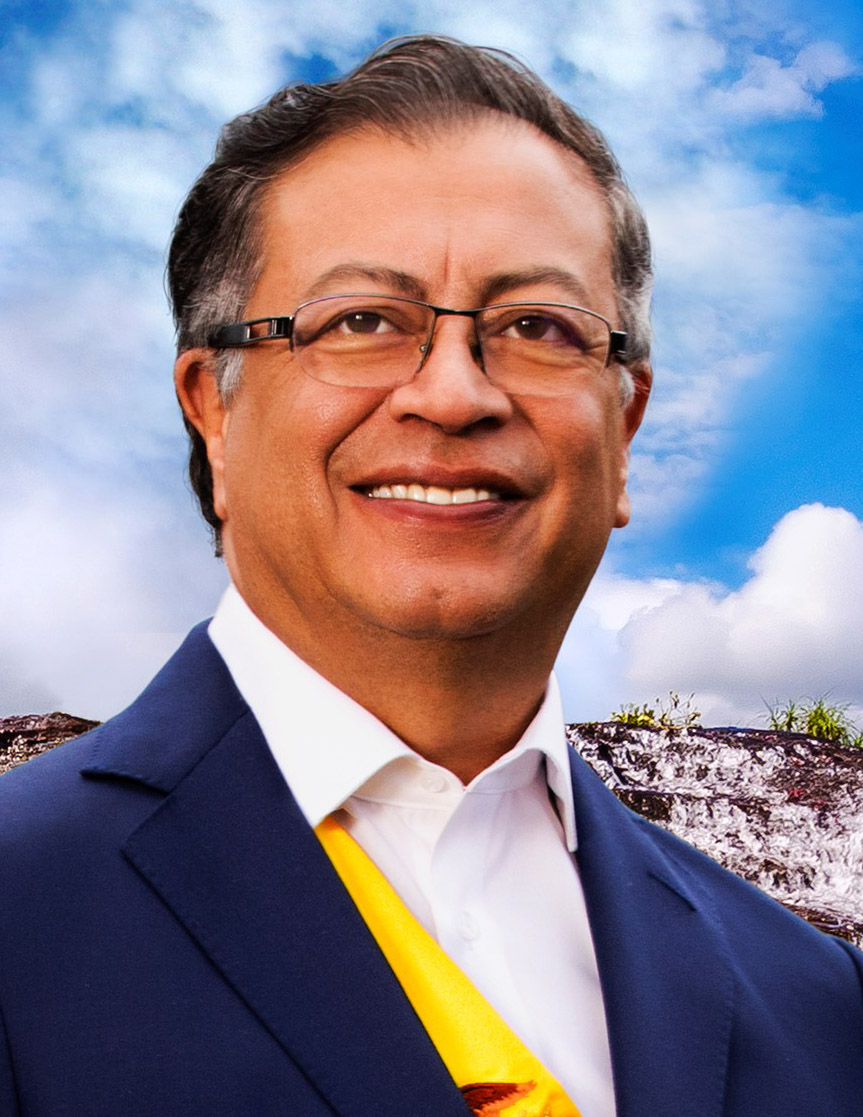
President Gustavo Petro published an unambiguous statement on the social network X on Sunday morning: the attack was allegedly carried out by the Estado Mayor Central (EMC), a dissident faction of the FARC that refused the 2016 peace agreement and controls several "enclaves" in the southwest of the country. The Cauca department is one of the main theaters of operation for the EMC, led by the commander known by the pseudonym 'Iván Mordisco'. For eighteen months, the Colombian armed forces have been conducting territorial reconquest operations there, facing armed resistance, the coca economy, and the complicity of part of the population, caught between armed groups and an often absent state.
An unprecedented wave of attacks
Saturday's attack is not an isolated incident. According to the Colombian Ministry of Defense, more than 60 armed attacks were recorded in April 2026 in the departments of Cauca, Nariño, Putumayo, and Norte de Santander. Several police stations have been targeted, social leaders assassinated, and public infrastructure workers kidnapped. This wave comes as the Petro government had made dialogue with armed groups—under the concept of "Paz Total" (total peace)—the cornerstone of its security policy. This strategy, strongly criticized by the right and center, appears to be running out of steam: talks with the EMC have been frozen since November 2025, and the ELN continues its operations in the northeast of the country.
A presidential election dominated by security
Just over a month before the election on May 31, 2026, the Cauca attack weighs heavily on the electoral campaign. According to the latest polls published by Invamer and El Tiempo, security has now become the primary concern for the country, ahead of the economy and health. The main candidates—center-right senator Vicky Dávila, former minister Sergio Fajardo, and former mayor of Medellín Federico "Fico" Gutiérrez—have hardened their rhetoric, demanding a return to a purely military approach in conflict zones. On the left, continuity candidate Susana Muhamad, former Minister of Environment, struggles to impose an alternative narrative in a polarized climate. President Petro himself, who cannot run for re-election, sees his security record becoming a political burden for his camp.
The controversy of the presidential anniversary
Sunday was also marked by an ancillary controversy: the publication on X, by the official account @petrogustavo, of a photograph of Gustavo Petro celebrating his birthday surrounded by friends and government members. The contrast with the images of the grieving families from Cauca provoked a wave of criticism, particularly in the opposition media (Semana, El Tiempo) and within the government coalition itself. The presidency justified the publication by the "president's right to personal moments," but the damage was done: in Bogotá, several spontaneous protests formed on Sunday evening in front of the Nariño Palace, demanding explanations about the security strategy.
Editorial opinion
The Suárez attack is not just another tragedy in the long history of Colombian violence: it reveals a strategic failure. Gustavo Petro's "Paz Total," conceived as a break from Álvaro Uribe's militaristic logic, has hit two snags—the absence of state monopoly on violence in certain departments, and the transformation of armed groups into criminal enterprises interested in the status quo. The result is paradoxical: a left-wing president, elected on a social agenda, ends his term with a degraded security situation and a public opinion that is shifting to the right. Five weeks before the election, the risk of an election "from below"—that is, dictated by fear rather than a project—is real. For Colombia, which had so much invested in the Havana peace agreement, this is a step backward it could have done without. For the entire Andean region, it is a worrying signal.
Key takeaways
- Bomb attack on the Suárez–Buenos Aires road (Cauca) on Saturday, April 25, 2026.
- Toll as of Sunday, April 26: 14 dead, 38 injured (regional health authorities).
- Gustavo Petro attributes the attack to the EMC (FARC dissident group led by 'Iván Mordisco').
- Over 60 attacks in April 2026 in southwestern and northeastern Colombia.
- Presidential election scheduled for May 31, 2026; Petro not eligible for re-election.