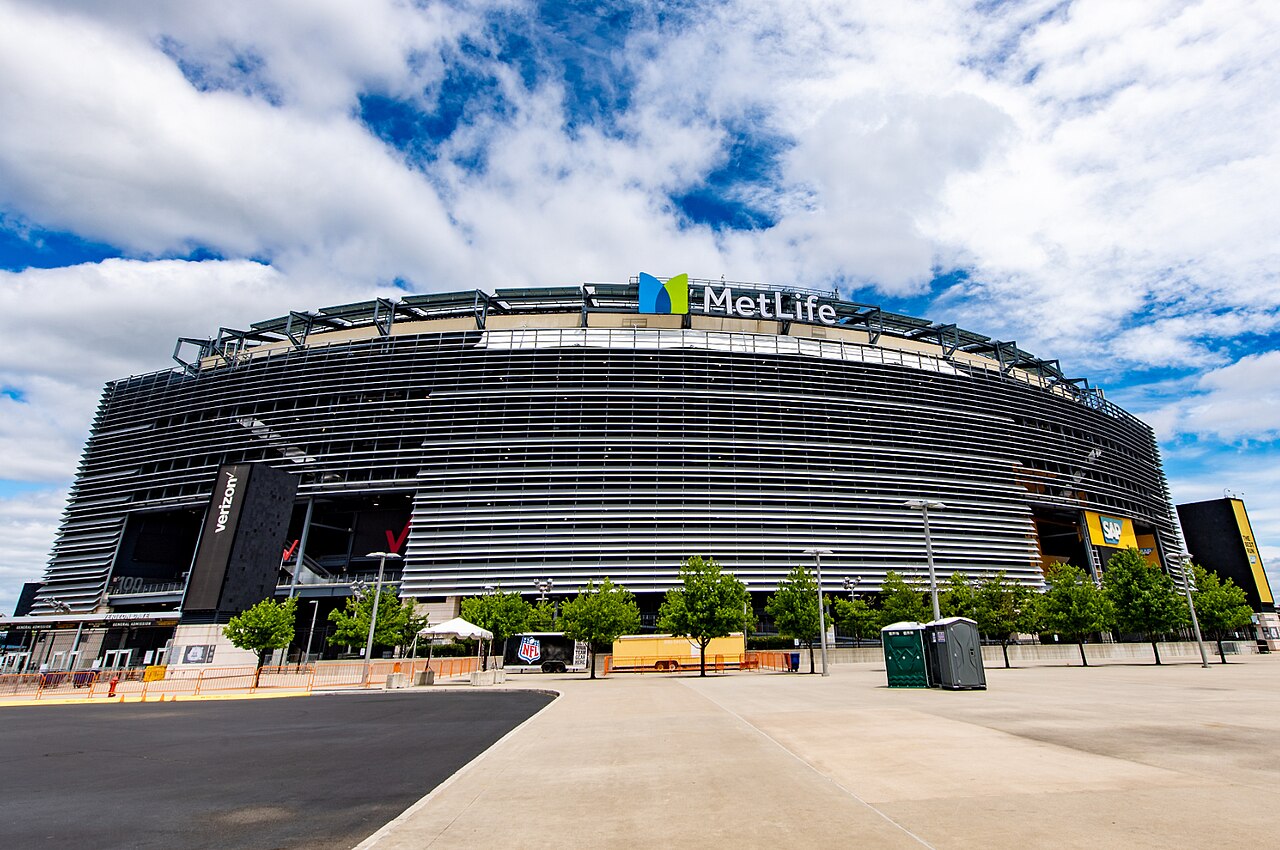
In eight days, the opening whistle will blow at the Estadio Azteca in Mexico City, opening the 23rd edition of the FIFA World Cup and the first to bring together forty-eight nations across three host countries: the United States, Canada, and Mexico. A historic World Cup in more ways than one: never before have so many teams participated, never before have so many stadiums been mobilized (sixteen in total), and never before has the final been scheduled in the 82,500-seat MetLife Stadium in New York/New Jersey, which last hosted a World Cup final in 1994. The competition will conclude on July 19.
Final Squad Lists Deliver Surprises
The 48 national teams submitted their definitive 26-player lists to FIFA this Tuesday, June 2. Several notable absences are already fueling debates in virtual locker rooms: Robert Lewandowski, whose body finally gave out after months of doubt, will not be there. Rodrygo, a key player for attacking Brazil, has also thrown in the towel. These absences reshuffle the cards in groups that were thought to be already decided.
Les Bleus: Senegal, Play-off Winner, then Norway
For the French team, the path is mapped out but demanding. Didier Deschamps's Blues will begin their World Cup on June 16 at the MetLife Stadium in New York against Senegal, the reigning African champions. A first match that will be scrutinized closely: Senegal, led by a generation of players plying their trade in Europe's biggest clubs, represents a top-tier opponent. Les Bleus' second match, on June 22, will pit France against an as-yet undetermined FIFA play-off winner (Bolivia, Suriname, or Iraq), before a summit clash on June 26 in Boston: France vs. Norway, or Kylian Mbappé against Erling Haaland, in what some commentators are already calling 'the group stage match of the tournament'.
FIFA: A Refereeing Laboratory
On the rules front, FIFA has introduced unprecedented measures subject to validation at this World Cup: expelled players will have ten seconds to leave the field, concealing one's mouth during protests will be sanctioned, and the wearing of earpieces by captains outside of game periods will be experimented with. Pierluigi Collina, the powerful head of FIFA refereeing, aims to make this World Cup a laboratory for the modernization of the game. Purists will grumble. The spectacle, however, promises to be total.
Editorial Opinion
Forty-eight teams, three countries, one hundred and four matches: this World Cup will be one of extravagance, and that is precisely what is worrying. FIFA has gambled on gigantism over intensity, hoping that an expanded format will compensate for a loss of rhythm with diversity. For Les Bleus, the trap lies elsewhere: a first match against Senegal that could derail everything, and a showdown against Norway that could reignite everything. With eight days to go until kickoff, uncertainty is, as always, the best promise of a great World Cup.
2026 World Cup Key Information
- June 11: Opening match at Estadio Azteca, Mexico City.
- July 19: Final at MetLife Stadium, New York/New Jersey (82,500 seats).
- 48 teams, 12 groups of 4, 104 matches in total.
- France vs. Senegal on June 16 in New York; France vs. Norway on June 26 in Boston.
- New FIFA rules: 10 seconds to leave the field after expulsion.
- Notable absences: Lewandowski (Poland), Rodrygo (Brazil).