
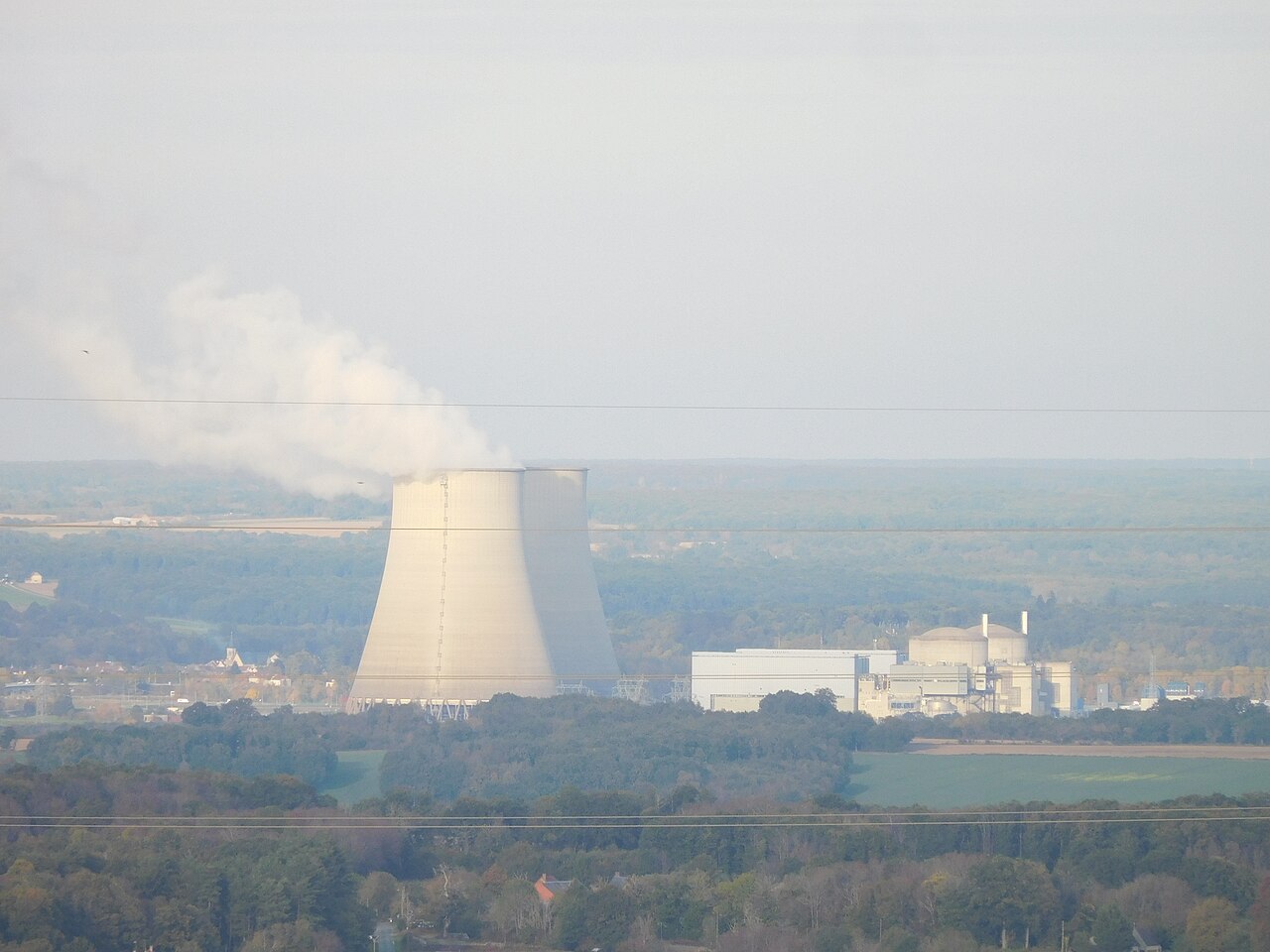
In brief — The average spot price of electricity in France surged by approximately 30% in August 2026, rising from around €95/MWh in July to nearly €124/MWh, with a peak of €177.34/MWh on August 18, a level usually observed in mid-winter. The cause: the fifth heatwave of the summer, which reduced the available capacity of the French nuclear fleet due to reactor cooling constraints, while nuclear power provides nearly 70% of the country's electricity.
A Surge Directly Linked to Heat
Since the beginning of August 2026, France has been experiencing repeated heatwaves that directly affect national electricity production. The average spot price of electricity now stands at around €124/MWh, compared to approximately €95/MWh in July, an increase of about 30% in one month. The market had already jumped by 34.3% in a single day on August 10, to €125.99/MWh, before retreating to €115.13/MWh the next day. The peak was reached on August 18, at €177.34/MWh, a record for the past year and a half.
Nuclear Power, the System's Backbone, Under Pressure
The nuclear fleet ensures about 70% of French electricity production. However, intense heat has significantly reduced its available capacity, mainly due to cooling constraints: when the temperature of the watercourses used exceeds certain regulatory thresholds, power plants must reduce their production, or even temporarily shut down, to preserve aquatic ecosystems. Added to this are scheduled maintenance outages and very low wind power production due to lack of wind.
The Relay of Gas-Fired Power Plants, More Costly
To compensate for this loss of capacity and meet demand, particularly from Germany, French gas-fired power plants have operated more. Producing electricity from gas costs significantly more than nuclear production. Result: prices climbed to an average of €144/MWh during the 7 p.m. to 10 p.m. slot, compared to €94/MWh a year earlier during the same period — more than a 50% increase over one year for this high-consumption evening slot.
Why This Mechanism Repeats Every Summer
This phenomenon illustrates a structural vulnerability of the European electricity system: the more heatwaves occur, the more the nuclear fleet — despite being low-carbon — sees its availability weakened precisely when air conditioning drives up consumption. The market must then resort to more flexible but more costly and more polluting production methods, such as gas, with a double effect: higher prices and a temporary increase in the electricity mix's emissions.
What Are the Consequences for Consumers and Businesses?
For households on regulated tariffs, the direct impact remains limited in the short term, as wholesale prices are not immediately passed on to bills. For businesses exposed to market prices or whose contracts are indexed to spot prices, however, the increase can translate into a significant rise in energy costs, particularly in electricity-intensive industries. Finally, for the European system, this tension reinforces the role of interconnections, with France historically exporting to Germany, whose needs increase pressure on the French grid during heatwaves.